
Every September, the same thing happens. Sourcing agents and homeowners realize that their 'weatherproof' outdoor lighting—the stuff that looked brilliant during the July heatwave—is now flickering or dead.
The Problem: The IP65 Myth
Most budget LED strings claim an IP65 rating. In a lab, that means they can handle a splash of water. In a real garden through a rainy August, it's a different story. Cheap PVC jackets aren't UV-stabilized; they develop micro-cracks under the sun. These cracks act as straws, sucking moisture directly into the solder joints via capillary action.
Once moisture hits the copper, electrolysis begins. You don't get a sudden pop; you get a slow degradation of signal until half the string goes dark. The 'waterproof' claim was technically true for three weeks, then it failed.
The Insight: It's Not the LED, It's the Seal
The LEDs themselves are usually fine—they're just diodes. The failure point is always the connection and the cabling. Professional-grade lighting doesn't rely on a thin layer of plastic. It uses UV-stabilized materials that don't shrink or crack in the sun, and more importantly, it employs epoxy potting in the controllers.
If you can see a gap between the wire and the plastic housing, water will get in. Period. Real weatherproofing is about sealing the entry points so there is zero air (and therefore zero water) contact with the circuitry.
The Execution: How to Buy Lights That Actually Last
Stop looking at the 'IP65' badge on a spec sheet and start looking at the physical build:
- Check the Cable Texture: Rubberized or UV-treated PVC feels denser and less 'plasticky'. If it feels like a cheap toy, it will crack by autumn.
- Inspect the Joinery: Look for overmolded connections. The plastic should be fused to the wire, not just wrapped around it.
- Avoid Bare Copper Hopes: Ensure the copper gauge is sufficient to prevent voltage drop over long runs, which otherwise puts thermal stress on the first few LEDs in the chain.
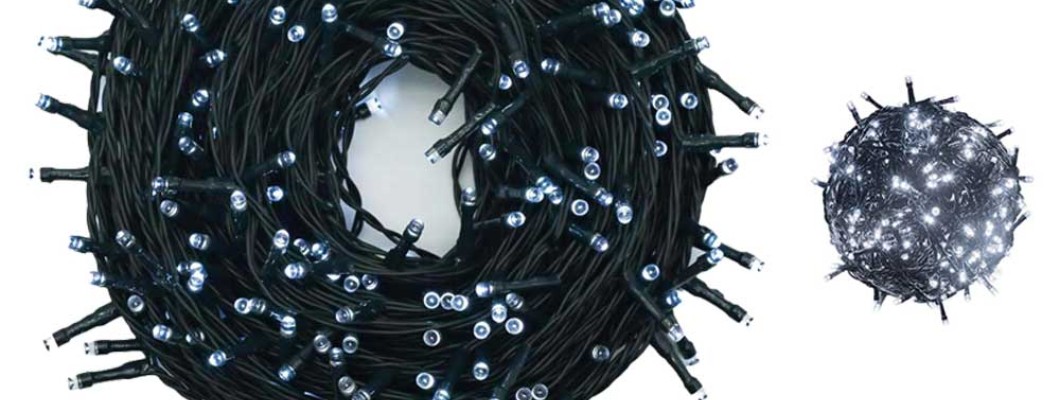
Our YASHEN 300 Count LED String Lights aren't 'magic'; they just follow basic engineering. We use thicker, UV-resistant cabling and properly sealed connection points because we're tired of seeing lights die every single season.
If you're planning to replace your entire garden's lighting every twelve months, keep buying the cheap stuff. If you want it to work in October, look at the seals, not the marketing brochure.